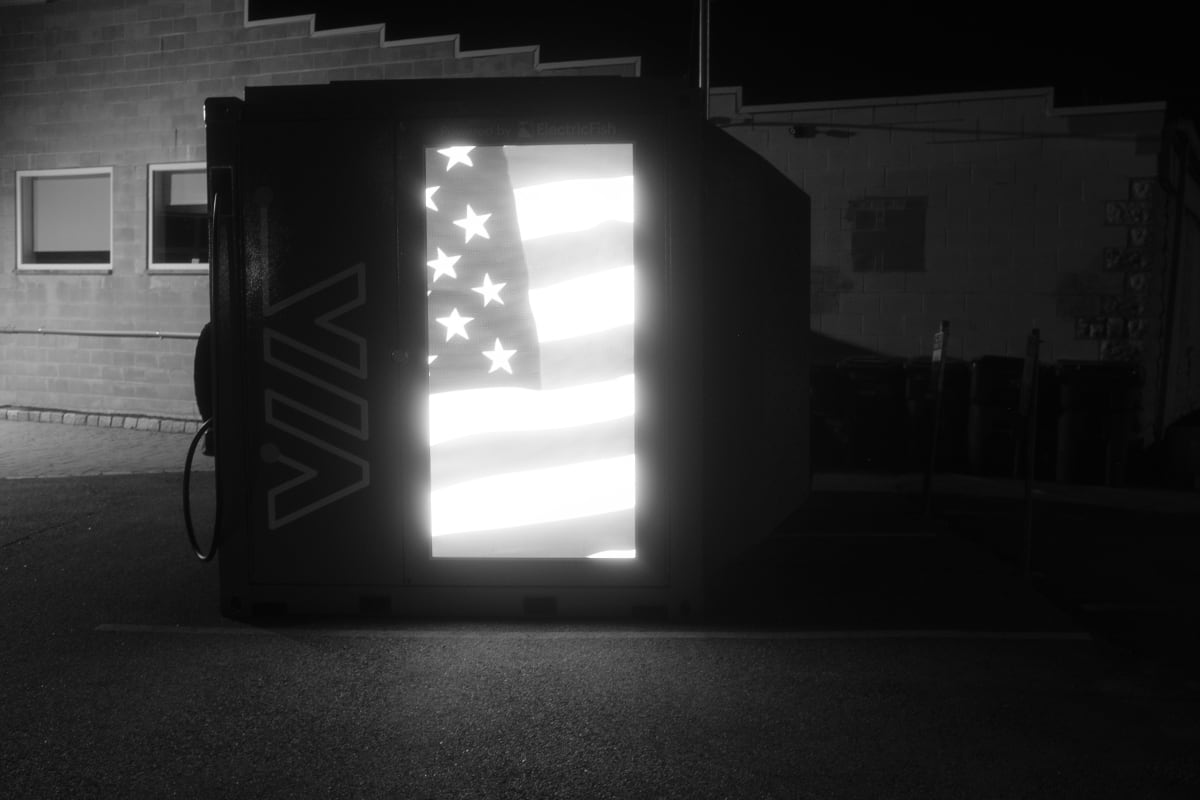
Photography is a metaphor. To be precise, it is an invitation to a metaphor. We are led falsely to believe that a photo is a careful creation, but that implies that the photographer could shift mountains and clouds for the sake of composition. However, the photographer is as much of a stranger (and should remain so) to her photos as the audience. The approximation by the viewfinder is but a guess after all, parallax-corrected or not. The images, the final material product is a reserved seat on the lap of the lens, a ticket to a temporal and spatial coordinate marked by the shutter (刻舟求剑).
The aesthetic excitation and the trompe-l’œil are as much of a first-order bodily reaction as “appreciating the sunset”, something that my lens rarely does (sometimes my eyes see more beauty in things, and then I forbid the camera to see). It is a metaphor because it is an impersonation of the camera and an identity theft: the chemicals on the film and the photosites on the sensors become the cells of our retina. This statement is only valid if the invitation is accepted, like that of a play. Otherwise, the stage becomes a madhouse and the photograph a smeared sheet.
There are no dishonest photographs, as once the invitation has been accepted, all excitations and confusions are ours — the camera does not whisper into our ears as we take seats. However, should we consider them a portrayal of a reality? As long as reality is defined as the visions obtained from our own clouded retina, certainly. All I wish to say is that a photograph is a distilled pocket of being and experience, which the photographer herself has little privilege to, i.e. look elsewhere.